

Polypropylene (PP) is one of the most widely utilized thermoplastic polymers due to its versatility, durability, and cost-effectiveness. Industries ranging from packaging and automotive to consumer goods and construction rely on polypropylene for its mechanical strength, chemical resistance, and lightweight properties. With increasing emphasis on sustainability and efficient resource management, PP recycle has emerged as a vital process for enhancing material recovery precision and supporting cost-effective production.
The Significance of PP Recycling
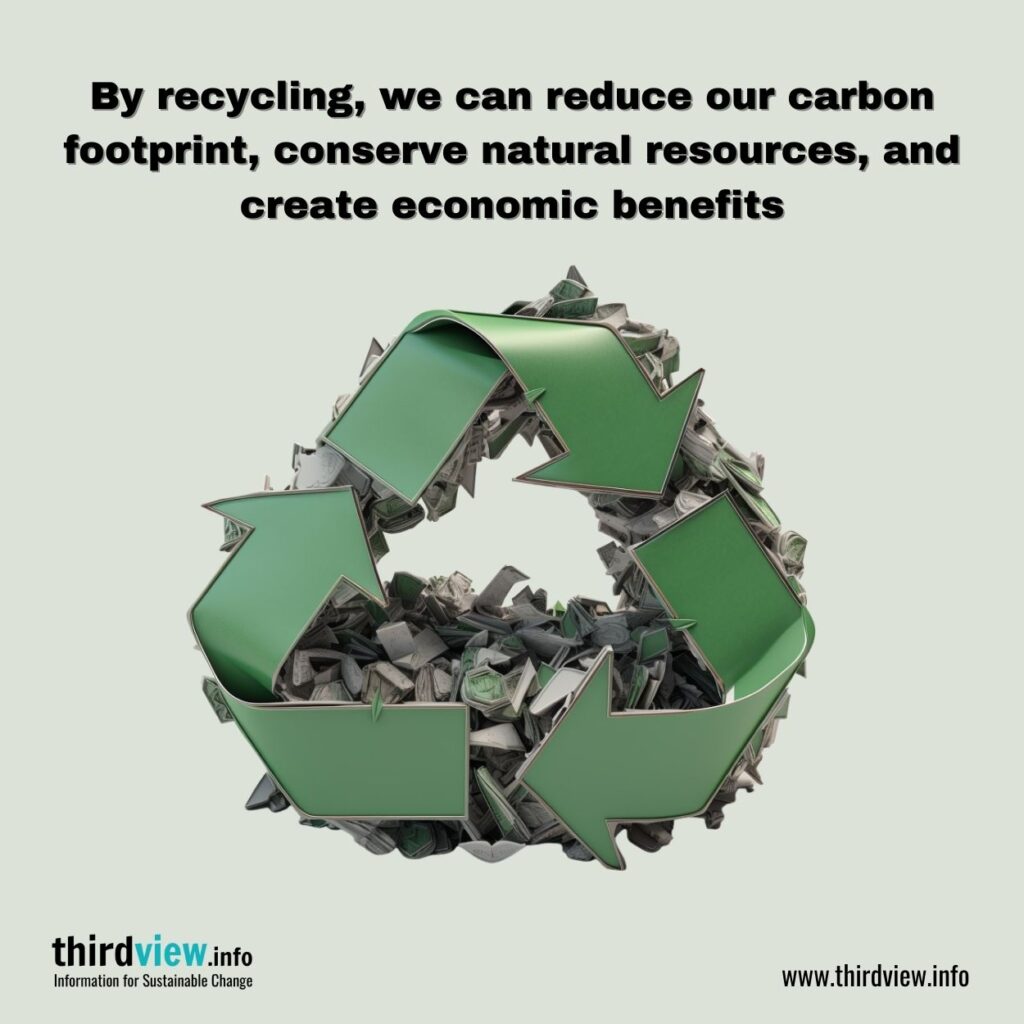
Recycling polypropylene offers significant environmental and economic benefits. By recovering post-consumer and post-industrial PP, businesses can reduce their dependence on virgin materials, conserving natural resources and reducing energy consumption. This practice also minimizes waste sent to landfills, lowering environmental pollution and greenhouse gas emissions. For manufacturers, integrating recycled PP into production processes enables cost savings while maintaining material quality. Precise material recovery ensures that the recycled PP meets required performance standards, supporting efficient and sustainable production.
Process of Material Recovery in PP Recycling
Effective PP recycling involves a series of carefully controlled steps to ensure material quality and performance. Initially, polypropylene waste is collected from industrial, commercial, and post-consumer sources. The material is then sorted to remove contaminants such as other plastics, metals, adhesives, and labels. Following sorting, the PP undergoes a cleaning process to eliminate residues and impurities. Advanced recovery techniques, including shredding, pelletizing, and extrusion, allow for precise control over material properties. These methods ensure that the recycled PP retains essential characteristics such as tensile strength, impact resistance, and thermal stability, making it suitable for a wide range of manufacturing applications.
Applications of Recycled Polypropylene
Recycled polypropylene is highly versatile, finding applications in multiple industries. In the packaging sector, it is used for containers, caps, and flexible films, maintaining both durability and aesthetic appeal. The automotive industry utilizes recycled PP for interior panels, bumpers, and components that require lightweight yet strong materials. Construction applications include pipes, fittings, and insulation materials, where durability and chemical resistance are critical. Even consumer goods such as household products, toys, and furniture benefit from recycled polypropylene, providing a cost-effective and environmentally responsible alternative to virgin material. The precision in material recovery ensures consistent performance across these diverse applications.
Quality Assurance and Standards
Maintaining quality is critical in PP recycling to ensure that the recovered material meets industry requirements. Testing for melt flow index, mechanical strength, contamination levels, and thermal stability ensures that recycled PP can be reliably used in production. By adhering to strict quality control measures, manufacturers can integrate recycled material without compromising product performance. Reliable and precise material recovery supports efficient manufacturing processes, reduces waste, and maintains compliance with regulatory standards.
Economic and Environmental Benefits
Using recycled polypropylene provides both economic and environmental advantages. Economically, it reduces production costs by substituting a portion of virgin PP with high-quality recycled material. Operational efficiencies improve as recycled PP can be processed with existing equipment, minimizing downtime and handling costs. Environmentally, recycling conserves natural resources, lowers carbon emissions, and reduces landfill usage. Integrating precise material recovery into PP recycling ensures that businesses can achieve these benefits without compromising quality or performance.
Challenges and Opportunities
Challenges in PP recycling include contamination, variability in material properties, and inconsistent supply. Technological advancements in sorting, cleaning, and processing are improving the quality and consistency of recycled polypropylene. The growing focus on sustainable manufacturing and circular economy initiatives presents significant opportunities for businesses to expand the use of recycled PP, reduce costs, and enhance operational efficiency.
Conclusion
PP recycling enhances material recovery precision, supporting cost-effective production and sustainable manufacturing practices. By converting waste into high-quality, reliable material, businesses can reduce dependence on virgin resources, lower production costs, and minimize environmental impact. The precision in material recovery ensures that recycled polypropylene meets stringent performance standards, making it a versatile solution across industries such as packaging, automotive, construction, and consumer goods. Embracing PP recycling fosters a circular economy while delivering operational efficiency and economic value.
